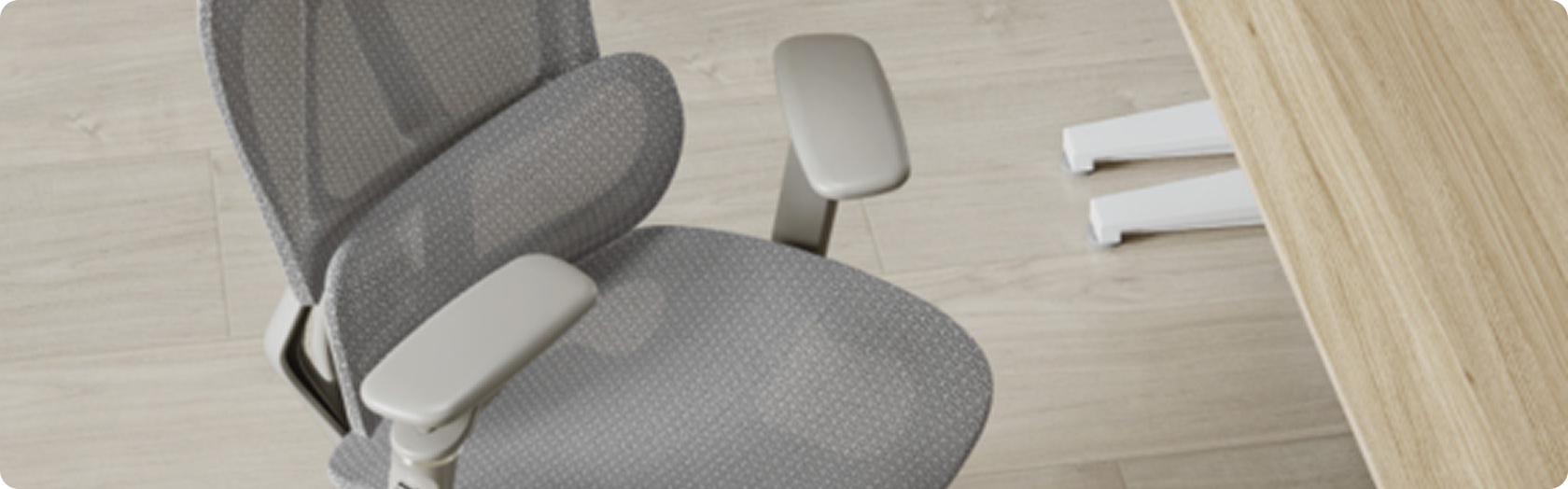
It happens to the best of us. You are in the middle of a deep-focus work session, typing away at an important report, when suddenly you feel that distinct, sinking sensation. Slowly but surely, your seat lowers until your chin is practically resting on your desk. You pull the lever to raise it back up, but five minutes later, you are sinking again.
It is one of the most frustrating interruptions in the workday. Whether you are a remote worker trying to maintain focus or a parent watching your child struggle with a faulty study chair, a sinking seat is an ergonomic nightmare. It throws off your typing posture, strains your wrists, and can lead to long-term back issues.
The good news? You don’t necessarily need to drag that chair to the curb just yet. In many cases, the fix is simpler than you think and involves a little bit of gravity, some basic tools, and turning the chair upside down. In this guide, we will walk you through exactly how to diagnose the problem, how to fix it using the "upside down" method, and when it might be time to invest in used office chairs or brand-new seating.
Understanding the Pneumatic Cylinder in Your Student Study Chair
Before we grab the toolbox, it is helpful to understand the science beneath the seat. Most modern swivel chairs, from a budget student study chair to a high-end executive model, operate using a pneumatic cylinder (also called a gas lift).
Inside the metal column under your seat, there is a chamber filled with pressurized nitrogen gas. When you pull the lever, you open a valve that allows the air to move, letting you adjust the height. When you release the lever, the valve closes, locking the air—and the chair—in place.
Why Do They Fail?
Over time, the seals inside the cylinder wear out. This causes the gas to leak out slowly, meaning the pressure required to hold your body weight dissipates. This is why the sinking often happens gradually rather than all at once. According to a report by Grand View Research, the office furniture market is driven by the need for ergonomic replacement cycles, as the average lifespan of a gas lift cylinder is typically 5 to 7 years depending on usage frequency.
If your student study chair is older than that, the sinking is a natural sign of wear and tear. However, knowing how the mechanism works empowers you to fix it.

The "Upside Down" Method: Fixing Your Office Desk Chair
If you have a standard retail model, often referred to colloquially in the industry as an office desk chair (representing standard office supply store models), the structure is almost universal. To perform any significant repair, especially the famous "hose clamp hack" or a cylinder replacement, you need to work against gravity.
Safety First
Before flipping any furniture, ensure your workspace is clear. If you are working with a heavy leather desk chair, ask for assistance to avoid straining your back.
The Hose Clamp (Jubilee Clip) Hack
This is the most popular DIY fix for a sinking chair if you aren't ready to buy replacement parts. It essentially creates a physical barrier that stops the chair from sliding down the shaft.
Tools Needed:
- A hose clamp (size 3/4 inch to 1 inch, available at hardware stores).
- Duct tape or a strip of rubber.
- A screwdriver.
- Cleaning wipes.
Step-by-Step Instructions:
- Slide the Plastic Skirt: Most chairs have a plastic telescopic cover over the metal cylinder. Slide this up or down to reveal the shiny metal piston.
- Set Your Height: Sit on the chair and adjust it to your perfect ergonomic height. Once it is there, stand up carefully without weighing it down so it stays at that height.
- Flip the Chair: Turn your office desk chair upside down. This allows you easier access to the metal piston rod.
- Clean the Cylinder: Use wipes to remove any oil or grease from the metal piston. This is crucial for friction.
- Apply Grip: Wrap a layer of duct tape or a strip of rubber around the metal piston right at the point where it enters the lower black sheath. This gives the clamp something to bite into.
- Install the Clamp: Loosen the hose clamp and slide it onto the piston. Position it over the tape/rubber.
- Tighten Aggressively: Use your screwdriver to tighten the clamp as much as possible. It needs to be tight enough to support your body weight and prevent the cylinder from sliding through.
This method effectively converts your adjustable chair into a fixed-height chair. It works well for a study chair where the user doesn't change often, but it removes the adjustability factor.

The PVC Pipe Solution for Used Office Chairs
If you bought used office chairs to save money, you might find the cylinders are already shot. If the hose clamp method slips, the PVC pipe method is the heavy-duty alternative. This also requires turning the chair upside down/on its side to measure.
The Process:
- Measure: Turn the chair upside down or on its side. Extend the cylinder to your desired height. Measure the length of the exposed metal piston rod.
- Cut the Pipe: Buy a piece of PVC pipe (approx. 1.5-inch diameter) that fits over the piston. Cut it to the exact length you measured.
- Installation: You will need to detach the cylinder from the base (usually by tapping it out with a hammer while the chair is upside down). Slide the PVC pipe over the piston and reassemble.
The PVC pipe acts as a solid column. The chair physically cannot sink because the plastic pipe is holding the seat up. This is a common fix for older used office chairs found in garage sales or liquidations.
When to Repair vs. Replace: Evaluating Office Guest Chairs and Task Chairs
Not every chair is worth saving. When dealing with office guest chairs, the mechanism is usually different. Office guest chairs typically rest on a sled base or four fixed legs, meaning they don't have pneumatic cylinders. If a guest chair is sinking, it usually means the foam has collapsed or the frame is bent—issues that are much harder to fix than a simple cylinder swap.
However, for task chairs, you must weigh the cost. A replacement cylinder costs between $20 and $40. If you have a high-quality ergonomic chair, replacing the cylinder is worth it. If you have a budget student study chair that cost $50 new, the repair parts and effort might exceed the value of the chair.
At Aston Office furniture, we often advise clients that a good chair is an investment. If the upholstery and frame are in good condition, fixing the mechanics is sustainable and cost-effective.

Signs It Is Time to Upgrade to a Wide Office Chair
Sometimes, a sinking chair is a sign that the chair wasn't the right fit for the user in the first place. Pneumatic cylinders have weight ratings. If a standard chair is consistently sinking, the weight load might be exceeding the cylinder's capacity rating.
In this case, repairing it will only result in another failure months later. The solution is upgrading to a wide office chair or a heavy-duty model. These chairs come with Class 4 gas lifts designed to support higher weights (often up to 400 lbs) and wider seat pans for better distribution.
Benefits of Upgrading:
- Durability: Reinforced bases and stronger hydraulics.
- Comfort: A wide office chair prevents hip pinching.
- Longevity: Less strain on individual components means the chair lasts years longer.

Troubleshooting the Swivel Office Chair Mechanism
While the cylinder is the main culprit for sinking, turning your swivel office chair upside down can reveal other issues that affect stability.
Loose Base Plate Bolts
When the chair is flipped, look at the bottom of the seat. You will see a metal plate where the lever is attached. Over time, the bolts holding this plate to the wood or plastic seat can loosen. This causes the chair to wobble, which many people mistake for sinking. Tightening these bolts with an Allen wrench can make a swivel office chair feel brand new.
Cracked Five-Star Base
Inspect the legs (the star base). If there is a hairline crack near the center hub, the cylinder might be pushing through the base until it hits the floor. In this case, no amount of cylinder fixing will help—you need a new base or a new chair.
Ergonomics and the Office Chair for Home Office
In the era of remote work, the office chair for home office has become the most important piece of furniture in the house. A sinking chair compromises your ergonomic setup.
The 90-Degree Rule:
Your knees should be at a 90-degree angle, and your elbows should be at a 90-degree angle to the desk. If your chair sinks, your elbows drop below the desk, forcing you to shrug your shoulders to type. This causes tension headaches and trapezius strain.
If you are using a makeshift solution like a student study chair for a full 8-hour workday, ensure the fix is stable. If the hose clamp slips suddenly, the jarring drop can injure your spine.

Material Considerations: Leather Desk Chair vs. Mesh
Does the material of the chair affect how you fix it? Generally, the mechanism is the same, but the weight differs. A leather desk chair is significantly heavier than a mesh chair.
When you turn a leather desk chair upside down to fix the sinking issue, be careful not to scuff the material on the floor. Lay down a blanket or cardboard first. Additionally, the extra weight of the leather upholstery puts slightly more resting strain on the lift mechanism than a lightweight mesh chair, meaning low-quality cylinders may fail faster in executive leather models.

The Luxury Upgrade: Office Chair Recliner Features
If you are tired of fixing basic chairs, you might be looking at the premium market, specifically an office chair recliner. These hybrids offer the functionality of a desk chair with the relaxation of a living room seat.
However, an office chair recliner has more moving parts. They often have dual cylinders—one for height and one for the recline angle. Diagnosing a sinking issue here is complex. If the recline function sinks (i.e., the backrest won't stay up), it is a separate gas strut from the main height cylinder.
Aston Office furniture specializes in durable seating solutions that minimize these mechanical failures, ensuring that whether you choose a recliner or a task chair, the components are tested for high-cycle durability.

Comparison: DIY Fix vs. Cylinder Replacement vs. Buying New
To help you decide the best course of action for your sinking office desk chair or used office chairs, here is a quick comparison.
| Feature | DIY Hose Clamp Hack | Cylinder Replacement | Buying New Chair |
| Cost | Low (<$5) | Medium ($20 - $50) | High ($100 - $1000+) |
| Difficulty | Easy | Moderate (Requires hammer/force) | None |
| Adjustability | None (Height becomes fixed) | Full Adjustability | Full Adjustability |
| Longevity | Short-term (3-6 months) | Long-term (5-7 years) | Long-term (Warranty included) |
| Best For | Student study chair / Temp fix | High-quality leather desk chair | Worn out used office chairs |
Maintenance Tips to Prevent Sinking
Once you have fixed your chair or bought a new one, how do you prevent the sinking feeling from returning?
- Gentle Sitting: Do not "flop" into your chair. The sudden impact spike pressure on the gas seal, blowing it out prematurely.
- Keep it Clean: Dust and pet hair can get into the cylinder seal. Wipe the piston rod regularly.
- Check Weight Limits: Ensure the chair is rated for the user.
- Buy Commercial Grade: Sourcing from reputable manufacturers like Aston Office furniture ensures you get Class 4 cylinders, which are the industry gold standard for durability.

Frequently Asked Questions (FAQs)
Q1: Why does my student chair keep sinking even after I tighten the knob?
A: The knob under the seat usually controls the tilt tension, not the height. If the student chair is sinking, the issue is almost certainly the internal gas cylinder losing pressure, which cannot be fixed by the tension knob.
Q2: Is it safe to buy used office chairs if the cylinders might fail?
A: Yes, buying used office chairs is a great way to get high-end ergonomic furniture at a discount. Just factor in an extra $30 and 30 minutes of labor to replace the cylinder if it starts to sink. It is often still cheaper than buying new.
Q3: Can I use the "upside down" fix on an office desk chair with a mesh back?
A: Absolutely. The term office desk chair generally refers to standard office supply inventory. Almost all of them use a universal Class 3 or Class 4 gas lift. The "upside down" hose clamp method works on mesh, leather, and fabric chairs alike.
Q4: Do office guest chairs ever sink?
A: Typically, no. Office guest chairs are usually designed with static bases (cantilever sleds or four legs) because they don't need to adjust height for short-term sitting. If a guest chair feels lower, it is likely the cushion foam collapsing, not a mechanical failure.
Q5: My office chair recliner sinks when I lean back. Is this the same problem?
A: Not necessarily. If the height drops, it is the main cylinder. If the backrest falls backward when you lean, it is the recline tension spring or a secondary recline cylinder. This requires a different repair approach than the height fix.

Conclusion
A sinking office chair is more than just a nuisance; it is a barrier to productivity and a hazard to your physical health. Whether you are a student trying to focus in a wobbly study chair or an executive frustrated with a faulty leather seat, you have options.
By turning the chair upside down, you gain access to the root of the problem. Simple DIY hacks like the hose clamp method can extend the life of an office chair for months, while replacing the cylinder can give used office chairs a whole new lease on life. However, keep in mind that these are mechanical components with a lifespan.
Sometimes, the smartest move is to acknowledge that the chair has done its duty. If you are constantly battling with repairs, it might be time to upgrade to a robust, long-lasting solution. Whether you need a durable office chair for home office setups or a set of static office guest chairs that will never let you down, choosing quality from the start makes all the difference.
Ready to stop sinking and start working comfortably? Explore the durable, high-performance seating range at Aston Office furniture and give your back the support it deserves.