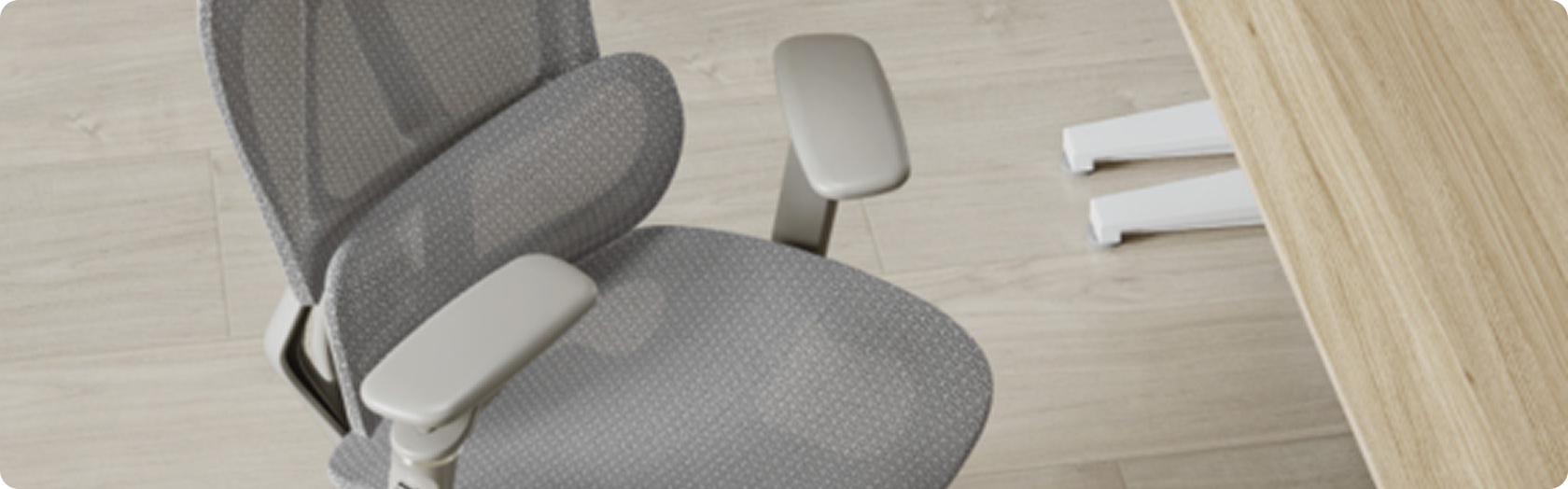
"How often should office chairs be replaced?" This issue is critical to facility managers, business executives and anyone responsible for workplace well-being and procurement. It is difficult to come up with a standard answer for office chairs of different qualities and different environments, but according to customer feedback from Aston, the approximate replacement cycle is 7-10 years. This data balances the performance of ergonomic office chairs with the durability of commercial furniture. This comprehensive guide explores the factors that determine the service life of contemporary office chairs, provides actionable maintenance recommendations, and outlines when to replace your office chair.
Standard life expectancy for office executive desk chair
Most office executive desk chairs have a designed functional life of 7 to 10 years in typical daily use (approximately 8 hours). This benchmark assumes that the chair is a quality product from a reputable office chair manufacturer and receives basic care. However, this range is very flexible. For example, heavy duty office chairs used in long-working places, such as 24/7 call centers or hospitals, may need to be replaced within 5-7 years, while moderate-intensity chair executive high back can remain fully functional for more than 10 years. The difference mainly depends on four aspects: chair quality, use intensity, user weight and preventive maintenance.

A key warning sign that your office works desk chair needs to be replaced
Waiting for the chair to be completely damaged is a costly strategy that can endanger employee health. Active observation is the key. Here are signs that your office chair is failing:
1.Obvious physical damage: cracked office chair butt or five-star foot, severely worn mesh material of office mesh back chair, or cracked seam of leather executive desk chair.
2.Ergonomic imbalance: Unable to maintain adjustment settings. These include sinking of the air rod, shaking of the tilting mechanism, or failure of the armrest to lock in position. When the chair can no longer be adjusted to support the correct posture, its core function is impaired.
3.Persistent discomfort and user complaints: The growing number of reports of back pain, neck strain or fatigue are one of the most telling signs of a problem. This usually indicates that the lumbar support has worn out and degraded, or that the high-density foam of the seat cushion has been permanently compressed beyond its support capacity.
4. Irreparable wear and abnormal noise: Rocking casters that hinder movement, or squeaks and friction of mechanical parts that persist after lubrication, all indicate severe wear.

Factors affecting the service life of office chairs
Understanding which factors affect the life of office chairs can help make better purchasing and management decisions.
Factors accelerating service life:
24/7 or multi-shift use: Chairs sharing workstations or control rooms withstand double or triple wear cycles.
Excessive use: Continuously overloading the chair with its rated limits will put pressure on air rods, frames and casters, resulting in shortened life of office chair parts.
Improper maintenance and cleaning: Corrosive cleaners can damage finishes and fabrics. Dirt and debris can wear away mechanical connections.
Poor initial purchase quality: Chairs that do not meet BIFMA standards and use inferior components will have more failures and shorter life.
Factors that extend service life:
Quality of investment: Purchasing directly from a reliable office furniture manufacturer ensures better materials and engineering.
Implement a proactive maintenance plan: Clean, inspect and tighten loose parts regularly.
Provide user ergonomics training: Train employees on how to correctly adjust their ergonomic task chairs to prevent misuse and strain.
Choose the right chair for the environment: For example, designating heavy office chairs for high-usage areas, purchasing special chairs for heavy people(for heavy-weight employees can also effectively ensure the service life of the chair

High cost of delayed replacement
The hidden cost of delaying replacing a malfunctioning chair far exceeds the price of a new chair. The main impact lies in employee health and productivity. Chairs with failed lumbar support can lead to poor posture, which can increase musculoskeletal disorders (MSDs), more sick leave and higher medical costs. In addition, discomfort can directly distract attention and lead to reduced work efficiency. From a financial perspective, the cost of frequent repairs to aging chairs often exceeds the cost of a reliable new model with a new warranty. Essentially, a proactive office chair replacement strategy is an investment in human capital and operational continuity.
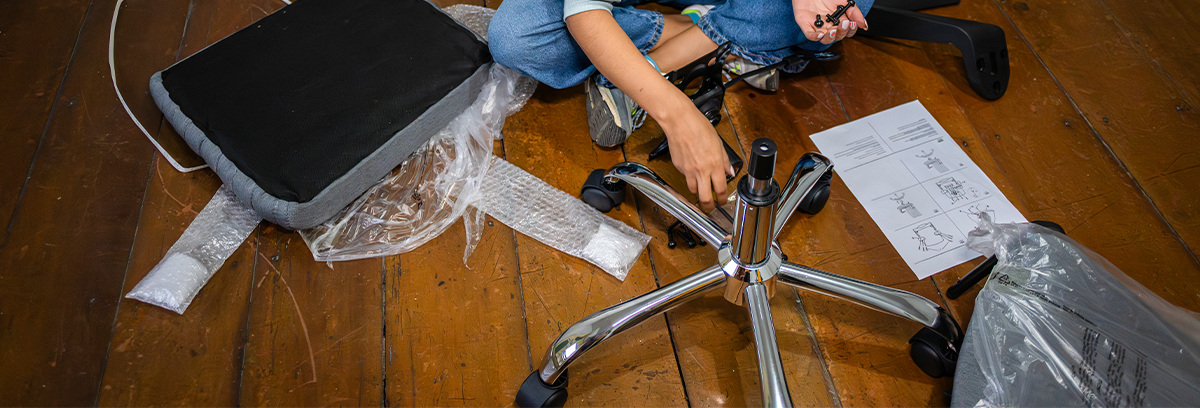
Proactive maintenance guide to maximize office chair life
It is economically wise to extend the useful life of office furniture. Follow the following maintenance procedures:
1. Weekly: Wipe the surface with a damp cloth. For fabric office chairs, use a vacuum cleaner attachment to remove dust and debris from the gaps.
2. Monthly: Check the chair for loose screws or bolts, especially where the seat is connected to the chair mechanism and the armrest is connected to the backrest. Tighten as needed. Check the casters for entangled hair or fibers and clean them.
3. Quarterly: Check all adjustment functions-height, tilt tension, armrest and lumbar support. Lubricate any squeaking joints or mechanisms with silicon-based lubricants per manufacturer's guidelines.
4. Annual: Conduct a thorough stability and safety check. Inspect the plastic parts or five-star feet for fine cracks. Ensure that the air rod descends smoothly and maintains its height firmly.

Make smart choices: when to repair vs. when to replace
This is a key cost-benefit analysis. Generally, repairs are recommended for small-scale issues, such as replacing chair casters, individual armrest cushions, or re-inflating high-quality air rods during the warranty period. When faced with multiple failures (e.g., mechanism damage + fabric tear + air rod sinking), the maintenance cost exceeds 50% of purchasing a new chair, or when the chair's core ergonomic functions cannot be restored and pose a health risk, replacement becomes a smarter decision. Aston also recommends partnering with manufacturers that offer strong aftermarket support and easy replacement parts to fix minor problems quickly and easily over time, rather than buying new office chairs frequently.
Conclusion: Implement a strategic office chair replacement plan
After talking about the main points, let's look at how often the office chair should be replaced. Aston's answer: it depends, but you should monitor the chair's condition rather than wait for a catastrophic failure. We recommend implementing a phased replacement plan and stocking spare chairs based on the service life, use area and condition of the chairs. You should first focus on areas with high traffic and high load loads. When buying, don't think of the chair as a commodity, but as a 7-10-year investment in employee well-being. Choose a trusted office chair supplier like Aston that offers durable, BIFMA-certified chairs, clear warranty terms, and OEM/ODM capabilities to tailor the solution to your specific durability needs.